
Rwanda is one of the few countries where you can meet several wild primate species in a single trip, and do it without long, exhausting transfers. Within a few hours’ drive of Kigali you can sit with mountain gorillas, track golden monkeys in bamboo forest, and follow chimpanzees and colobus troops through ancient rainforest. Efficient infrastructure, well-run parks and a strong conservation ethic make Rwanda primate tours one of the most polished wildlife experiences in Africa.
This guide explains what a primate tour in Rwanda includes, where to go, what it costs, and how to plan an itinerary that fits your time and budget.
(I’ve read your keyword as “Rwanda primate tours.”)
Why Choose a Primate Tour in Rwanda?
Compact geography. Rwanda is small. Volcanoes National Park is roughly two hours from Kigali by road, and Nyungwe is a longer but scenic drive across the country. This means more time with the animals and less time in a vehicle.
High-quality management. Visitor numbers are limited, rules are strictly enforced and rangers are well trained. This protects the animals and keeps encounters calm and unhurried.
Variety. Rwanda offers mountain gorillas, golden monkeys, eastern chimpanzees, L’Hoest’s monkeys, colobus monkeys and many more species across its forests.
Safety and ease. The country is widely regarded as clean, organized and easy to travel in, which suits first-time visitors to Africa.
Conservation impact. Permit fees fund park protection and community projects, so your trip contributes to the future of the species you come to see.
The Main Primate Destinations
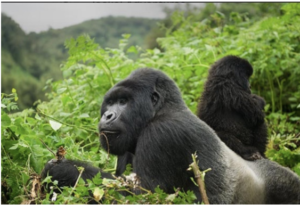
Volcanoes National Park: Gorillas and Golden Monkeys
Located in the northwest, Volcanoes National Park is part of the Virunga Massif, a chain of volcanoes shared with Uganda and the Democratic Republic of Congo. Its bamboo, hagenia forest and alpine slopes are home to mountain gorillas and the rare golden monkey.
Gorilla trekking. Visitors are divided into small groups and assigned to a habituated gorilla family. Treks can last anywhere from 90 minutes to 6 hours depending on where the family is that day. Once you reach the gorillas, you spend one hour observing them from a short distance. Success rates are very high: encounters occur on roughly 95% to 99% of treks across Uganda and Rwanda. dumaexplorerdumaexplorer
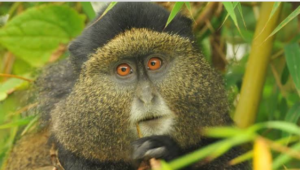
Golden monkey tracking. These energetic, orange-and-gold primates live in the bamboo zone and are much easier to track than gorillas. The hike is usually shorter and gentler, which makes it a good add-on for a rest day or for those not trekking gorillas.
Nyungwe National Park: Chimpanzees and Colobus Monkeys
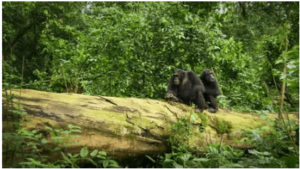
Nyungwe, in the southwest, is among the oldest and most biodiverse montane rainforests in Africa. It is home to 13 primate species, including chimpanzees and large troops of Angolan colobus monkeys.
Chimpanzee tracking. Treks often start before dawn so that trackers can locate the chimps as they wake. These apes move quickly and cover long distances, so the experience is more unpredictable than gorilla trekking, but also very rewarding.
Colobus monkey tracking. Troops can number in the dozens, and some groups are even larger. Watching them leap through the canopy is a highlight for many visitors.
Canopy walkway. A suspended walkway above the forest floor offers a different view of the forest and its wildlife.
Gishwati-Mukura National Park: A Quieter Alternative
This smaller park in the northwest protects forest fragments that have been restored through community-led planting. It supports chimpanzees, golden monkeys and other primates. Fewer visitors come here, so it suits travelers who want a quieter, off-the-beaten-track experience, and it’s a good example of forest recovery in action.
Akagera National Park: Savanna Wildlife to Round It Out
Akagera is not a primate park, but it is often paired with one. It offers classic safari wildlife, including lions, rhinos, elephants and giraffes, in eastern Rwanda. A night or two in Akagera provides a change of scenery after the forests.
What a Typical Primate Day Looks Like
Gorilla trekking day. You wake early, drive to park headquarters for a briefing and are assigned to a gorilla family. Trackers lead you through farmland and then into the forest. After meeting the gorillas and spending your hour with them, you hike back and return to your lodge. Most travelers find the experience emotional.
Chimpanzee day in Nyungwe. You start in the dark, hike to where the chimps nested the night before, and follow the group as they begin to move and feed. It requires patience and some stamina, but the forest scenery is beautiful throughout.
Golden monkey day. This is typically a half-day activity. The trek is shorter and easier than gorilla trekking, and the monkeys are active and photogenic.
Permits and Costs
Permit prices are the main cost driver of any Rwanda primate tour. Figures below are for foreign non-residents and may change, so always confirm with the Rwanda Development Board (RDB) or a licensed operator.
| Experience | Approximate Cost |
| Gorilla trekking permit | $1,500 per person |
| Golden monkey tracking | Roughly $100 per person |
| Chimpanzee tracking (Nyungwe) | Roughly $100 per person |
| Colobus monkey tracking | Lower-cost permit, often under $100 |
| Canopy walkway | Modest additional fee |
Current guidance confirms that a Rwanda gorilla permit costs USD $1,500 per person and that the price is expected to hold steady. The permit covers one hour with the gorillas, park entry and ranger-guide services. dumaexplorer
Beyond permits, budget for:
- Accommodation (from mid-range lodges to high-end eco-lodges)
- Ground transport and guide
- Meals and drinks
- Porter fees and tips
- Visa and travel insurance
- International flights into Kigali
A typical mid-range primate tour of five to seven days commonly costs several thousand dollars per person, with luxury itineraries rising well above that. Ask your operator for an itemized quote and check for any current promotions or multi-park arrangements.
Sample Itineraries
3-Day Gorilla Quick Trip
Day 1: Arrive in Kigali and drive to Musanze. Day 2: Gorilla trek and relax. Day 3: Return to Kigali. This works for travelers with limited time.
5-Day Gorillas and Golden Monkeys
Day 1: Arrive in Kigali and visit the Kigali Genocide Memorial. Day 2: Drive to Musanze. Day 3: Gorilla trek. Day 4: Golden monkey tracking and a cultural visit. Day 5: Return to Kigali.
7-Day Gorillas and Chimpanzees
Combine Volcanoes with Nyungwe: gorillas in the north, then a drive or domestic transfer to the south for chimpanzees, colobus monkeys and the canopy walkway.
10-Day Rwanda Highlights
Add Akagera National Park for savanna wildlife and Lake Kivu for a few days of relaxation on the lakeshore, giving a full mix of primates, safari and scenery.
Best Time to Visit
Primates can be seen throughout the year. No single month guarantees a better gorilla encounter, so the best time depends on your comfort and budget. dumaexplorer
- June to September: The main dry season. Trails are easier and demand is high, so book early.
- December to February: A shorter dry period with generally good conditions.
- March to May and October to November: The rainy seasons. Trails can be muddy and the mist heavier, but crowds are lighter and some lodges offer lower rates.
Wear waterproof gear regardless of season, since mountain weather changes quickly.
Rules, Requirements and Preparation
Age limit. The minimum age for gorilla trekking is 15 in both Uganda and Rwanda. dumaexplorer
Book early. Permits are limited, and Rwanda recommends booking 3 to 6 months in advance, especially for the dry season and holiday periods. dumaexplorer
Health rules. Gorillas are vulnerable to human respiratory illness. Anyone who is unwell may be refused entry, and visitors may be asked to wear masks. Keep the required distance from the animals.
Fitness. Treks happen at altitude on steep, sometimes muddy terrain. Moderate fitness is enough for most people, and porters are available to carry your pack and offer a helping hand.
What to pack:
- Waterproof hiking boots with good grip
- Long trousers and long-sleeved tops
- Gardening gloves
- Waterproof jacket and layers
- Hat, sunscreen and insect repellent
- Camera suitable for low light (no flash)
- Binoculars for monkeys and birds
Responsible Primate Tourism
Primate tourism works only if visitors respect the animals and the communities around them. To help:
- Maintain the minimum distance and never touch or feed the animals
- Keep your voice low and move slowly
- Do not trek if you are ill
- Hire local porters and guides
- Choose operators and lodges that employ local staff and support conservation
- Avoid buying souvenirs made from wildlife products
Conclusion
Rwanda primate tours pair world-class wildlife with exceptional organization and ease. Gorillas and golden monkeys in Volcanoes, chimpanzees and colobus troops in Nyungwe, and the restored forests of Gishwati-Mukura together make up one of the most complete primate itineraries in Africa. With careful planning, early permit booking and a reputable operator, you can build a trip that suits your time, fitness and budget. Respect the rules and the animals, and the reward is an experience that stays with you for life.
Key Takeaways
- Rwanda offers mountain gorillas, golden monkeys, chimpanzees and colobus monkeys across several compact parks.
- Volcanoes National Park is the gorilla destination, about two hours from Kigali, while Nyungwe is the main chimpanzee and colobus park.
- A gorilla permit costs about $1,500 per person, with treks lasting roughly 90 minutes to 6 hours and one hour with the gorillas.
- Golden monkey and chimpanzee permits cost considerably less and make good add-ons.
- Primates can be seen year-round, with June to September the driest period.
- The minimum age for gorilla trekking is 15, and permits should be booked 3 to 6 months ahead.
- Responsible behavior and local-focused operators protect both the animals and the communities.
Frequently Asked Questions
- How much does a Rwanda primate tour cost?
It depends on the length and style. Permits alone are significant, with gorilla permits at about $1,500 per person. A mid-range five- to seven-day tour typically costs several thousand dollars per person, excluding international flights. - Where can I see gorillas in Rwanda?
Only in Volcanoes National Park, near Musanze, about two hours from Kigali. - Where can I see chimpanzees in Rwanda?
Mainly in Nyungwe National Park, with a smaller population in Gishwati-Mukura National Park. - How long do I spend with the gorillas?
One hour once you find the family. - How difficult is the trek?
It ranges from moderate to strenuous, depending on the family assigned. Park staff try to match groups to fitness levels, and porters are available. - Can children join?
No. The minimum age for gorilla trekking is 15. - What is the best time to go?
Primates can be seen year-round. June to September and December to February are generally drier and easier for hiking. - How far in advance should I book?
Three to six months ahead is recommended, and earlier for peak periods. - Can I combine primates with other wildlife?
Yes. Many itineraries add Akagera National Park for savanna wildlife, or Lake Kivu for a relaxing finish. - Is Rwanda safe for tourists?
Rwanda is widely considered safe and well organized for travelers. Use licensed operators and check your government’s current travel advice before you go.
Note: Permit prices, park rules and fees change. Treat the figures here as planning estimates, particularly for the lower-cost permits, and confirm current details with the Rwanda Development Board or a licensed operator before booking.
I can also put this into a Word doc or a ready-to-publish web page if you’d like.