
Introduction
People have always loved sad music. Sad songs, from old folk tunes to modern chart-topping ballads, communicate feelings that words alone frequently can’t. They let you express sadness, loss, longing, loneliness, and deep thought. People of all ages and cultures listen to sorrowful music when they are feeling weak and need comfort. The melodies seem to understand their pain. Music can reflect human feelings in a way that no other art form can. Sad songs are probably the best illustration of this emotional link.
Sad songs have been there for people emotionally throughout history. They help people deal with sadness, accept heartbreak, and even heal wounds that time alone can’t. Sad songs don’t always make you feel worse; sometimes they make you feel understood. These songs let people feel safe enough to let out their sentiments and find comfort in the fact that other people have gone through the same things.
The Emotional Strength of Sad Songs
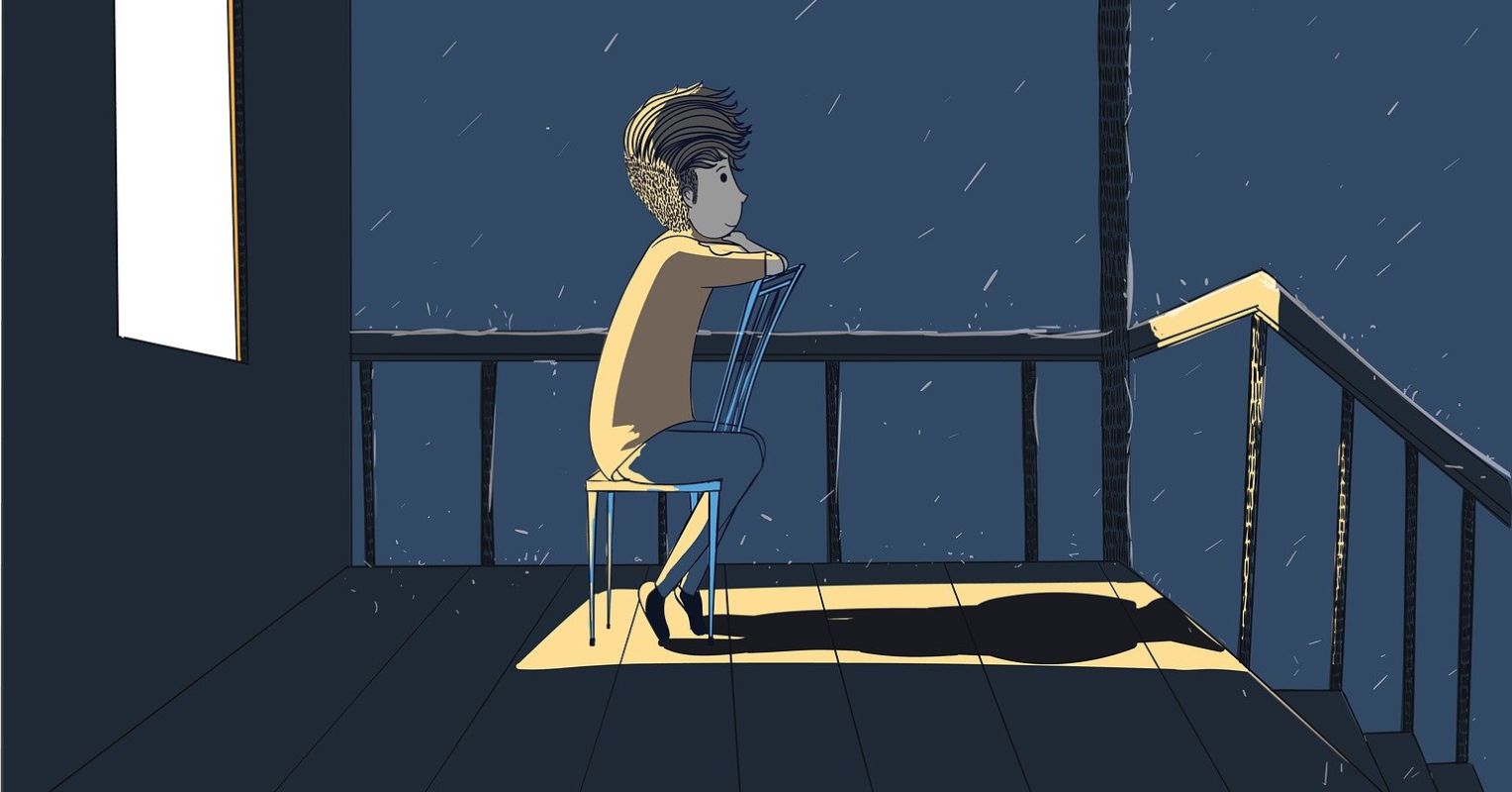
Sad songs hit home because they tap into feelings that everyone has. At some point in life, everyone feels sad, let down, or emotionally lost. Sad melodies turn these times into art. When words talk about grief in a real way and melodies move slowly and quietly, the listener senses something more than just enjoyment.
Sad music might make you feel better mentally. People generally feel better when they listen to music that fits their mood. This confirmation makes people feel less alone and gives them comfort. The emotional impact of sad songs comes from the fact that they can help people say what they are feeling when they can’t. This is why sad songs are still popular even though music styles change.
The Reasons People Listen to Sad Songs
A lot of people think that sad songs are exclusively for when you’re sad, however they may be enjoyed for a lot of other reasons too. Sad songs help people think, recall, and deal with their feelings in a healthy way. When things are tough, individuals typically look for music that reflects how they feel inside instead than something happy or diverting.
Sad tunes can also make people feel like they are not alone. Knowing that an artist has felt the same way makes you feel more connected to them as a person. This emotional connection is what keeps sad tunes current and ageless. Sad songs from decades ago can still feel very personal because feelings like love and loss never change.
The History of Sad Songs

Sad songs have been around for hundreds of years, changing as people have changed. In the past, folk music and religious hymns generally talked of sadness, suffering, and desire. People told these early melancholy songs to each other, and they showed how hard life might be.
Sad songs became a part of classical music, blues, jazz, and eventually pop and rock music as music changed. Sad songs were varied in each time period. For instance, blues music became a way to talk about sorrow and hard times, while romantic ballads were about heartbreak and lost love. Modern sad songs mix old feelings with modern sounds, which makes them easier for younger people to relate to.
The Impact of Sad Songs on Culture

Different civilizations have their own ways of using music to show melancholy. Sad songs from the West frequently focus on romantic heartbreak, but sad songs from other cultures may focus on separation, fate, or spiritual longing. The emotional essence of sad songs is still the same, even when they are different in other ways.
Sad songs typically show how society is changing and how people are feeling together. Sad songs show how people feel during times of war, economic struggle, or social change. They are emotional records of history that keep feelings that numbers and papers can’t show.
What the Lyrics Mean in Sad Songs
Sad songs are all about the lyrics. Words that are carefully chosen can make basic melodies become very strong emotional experiences. Sad songs typically employ pictures, metaphors, and stories to show how much they hurt and how much they want something. These lyrical aspects help people picture feelings and connect them to their own life.
Sad songs are powerful because their lyrics are honest. When artists write about their own lives, their work is more real to audiences. This kind of emotional honesty makes the artist and the listener trust each other, which makes sad music feel real and personal.
The Melodies and Structure of Sad Songs
The way sad songs are put together musically is very important to how they make you feel. People often employ slow tempos, minor keys, and soft instruments to produce a sad mood. These musical parts naturally make people think and feel deeply.
Sad songs frequently use simple melodies instead of complicated ones. A gentle piano, acoustic guitar, or modest string arrangement lets the audience focus on feelings instead of how well the musician plays. This simplicity makes it easier to connect with the music emotionally and makes sad tunes easier to understand.
The Healing Power of Sad Songs
Sad songs can be very healing, even when they show agony. Sad music might help people deal with feelings they might not want to deal with. This emotional confrontation is a significant step toward healing and personal development.
Research indicates that melancholic music can enhance emotional empathy and self-awareness. When people listen to sad tunes, they frequently get a better idea of how they feel. This technique can help you let go of your feelings, accept them, and find peace. Sad songs help people remember that melancholy is a normal part of life and not something to be afraid of.
Sad Songs and Mental Health
:max_bytes(150000):strip_icc()/GettyImages-668771109-06ad828cd7f74758bd60626689231172.jpg)
Sad music have a complicated effect on mental health. For some people, they provide comfort and emotional support. For some, they might be a way to express their feelings when they are lonely or stressed. The secret is to listen carefully.
When you use them on purpose, melancholy songs can help your mental health by giving you a safe place to let out your feelings. They make you think about yourself and your feelings, which is important for keeping your emotions in check. But it’s necessary to mix sad songs with happy ones to keep your mental health in good shape.
Sad Songs That Are Popular Right Now
A lot of modern sad songs mix different styles and try out new ways to make music. Today, artists use synthetic sounds, simple beats, and unusual patterns while yet keeping their music deep and emotive. This change lets sad songs stay popular in a music scene that changes quickly.
Social media and streaming services have also changed how people listen to sad songs. Many people make playlists that are only for certain moods, which makes melancholy songs easier to find than before. This digital accessibility has helped sorrowful music stay popular with younger people.
Sad Songs and Telling Stories
One of the most interesting things about sad songs is how they communicate stories. A lot of sad songs tell stories about love, grief, and finding yourself. People can follow and relate to the emotional arcs in these stories.
Sad songs with stories frequently stick with you because they feel like they’re about you. The listener becomes part of the story and feels what the artist feels. This part of the story turns sorrowful songs into more than just musical compositions; they become emotional experiences.
Table 1: Common Emotional Themes in Sad Songs
| Emotional Theme | Description | Listener Impact |
|---|---|---|
| Heartbreak | Focuses on lost love and separation | Creates empathy and emotional release |
| Loneliness | Expresses isolation and longing | Helps listeners feel understood |
| Grief | Deals with loss and mourning | Provides comfort and reflection |
| Regret | Reflects missed chances and mistakes | Encourages self-reflection |
| Hope Within Sadness | Blends sorrow with resilience | Inspires emotional healing |
The Worldwide Popularity of Sad Songs
Sad tunes go beyond language. Even if listeners don’t understand the words, they can still feel the emotion in the melody and tone. This universality is why sorrowful songs from diverse cultures can become popular all around the world.
Sad songs are fluent in the language of music, which is an emotional language. They connect people from different countries and remind people that melancholy is something everyone goes through. This attraction around the world keeps sorrowful tunes popular everywhere.
Songs that Make You Sad in Movies and TV

Sad songs are very important in movies, TV shows, and digital media. They make emotional scenes better and stories more interesting. A melancholy music at the right spot can make a moment more memorable and have a bigger emotional impact.
Sad songs are widely used as emotional anchors in visual media. They control how the audience feels and leave a lasting effect on them. The tight link between sorrowful music and storytelling makes them even more important to culture.
The Artist’s View on Sad Songs
Writing sad songs can help musicians deal with their feelings and heal. A lot of musicians write songs to deal with their own problems. This weakness frequently leads to really real sorrowful songs that people may relate to.
Sad songwriters frequently have great emotional relationships with their fans. Fans value honesty and emotional candor, which creates loyalty that lasts. Sad songs let musicians show their humanity and connect with others on a deeper level.
Table 2: Important Parts of Sad Songs That Make Them Powerful
| Element | Role in Sad Songs | Emotional Effect |
|---|---|---|
| Lyrics | Express inner emotions clearly | Builds emotional connection |
| Melody | Sets a melancholic tone | Evokes introspection |
| Tempo | Usually slow and steady | Encourages calm reflection |
| Instrumentation | Simple and soft sounds | Enhances emotional focus |
| Vocal Delivery | Gentle and expressive | Conveys vulnerability |
Why Sad songs Never go Out of Style
Sad music will always be sad because people will always feel sad. The need to communicate sadness never goes away, even as musical forms do. Sad songs that speak to people’s lives are found by every age, making sure that the music stays the same over time.
Sad songs also change with the times. Artists put different spins on grief to keep the genre current and accessible. This propensity to change means that sorrowful tunes will always connect with people all throughout the world.
The Personal Link to Sad Songs
People typically relate with sorrowful music on a personal level because of their own experiences. Someone might think about a lost love, a hard time, or a moment of self-discovery when they hear a certain song. These personal connections give sorrowful music a lot of significance.
Sad songs frequently stay with us for the rest of our lives because they make us feel something. As the listener’s life changes, the songs change in meaning, giving them new ways to look at things and consolation at different times.
Conclusion: The Lasting Beauty of Sad Songs
Sad songs are not just ways to show how sad you are; they are also ways to show how you feel. They express feelings that bring individuals of all ages, cultures, and backgrounds together. Sad songs give solace, understanding, and healing via honest words, passionate melodies, and heartfelt performances.
Sad songs tell people that being open is normal and important in a culture that typically focuses on happiness and success. They provide you a place to feel deeply and honestly. This emotional honesty means that sad songs will always have a strong place in music and in people’s hearts for years to come.
Read More:- Propose Day Shayari 2026: Romantic & Heartfelt Shayari